
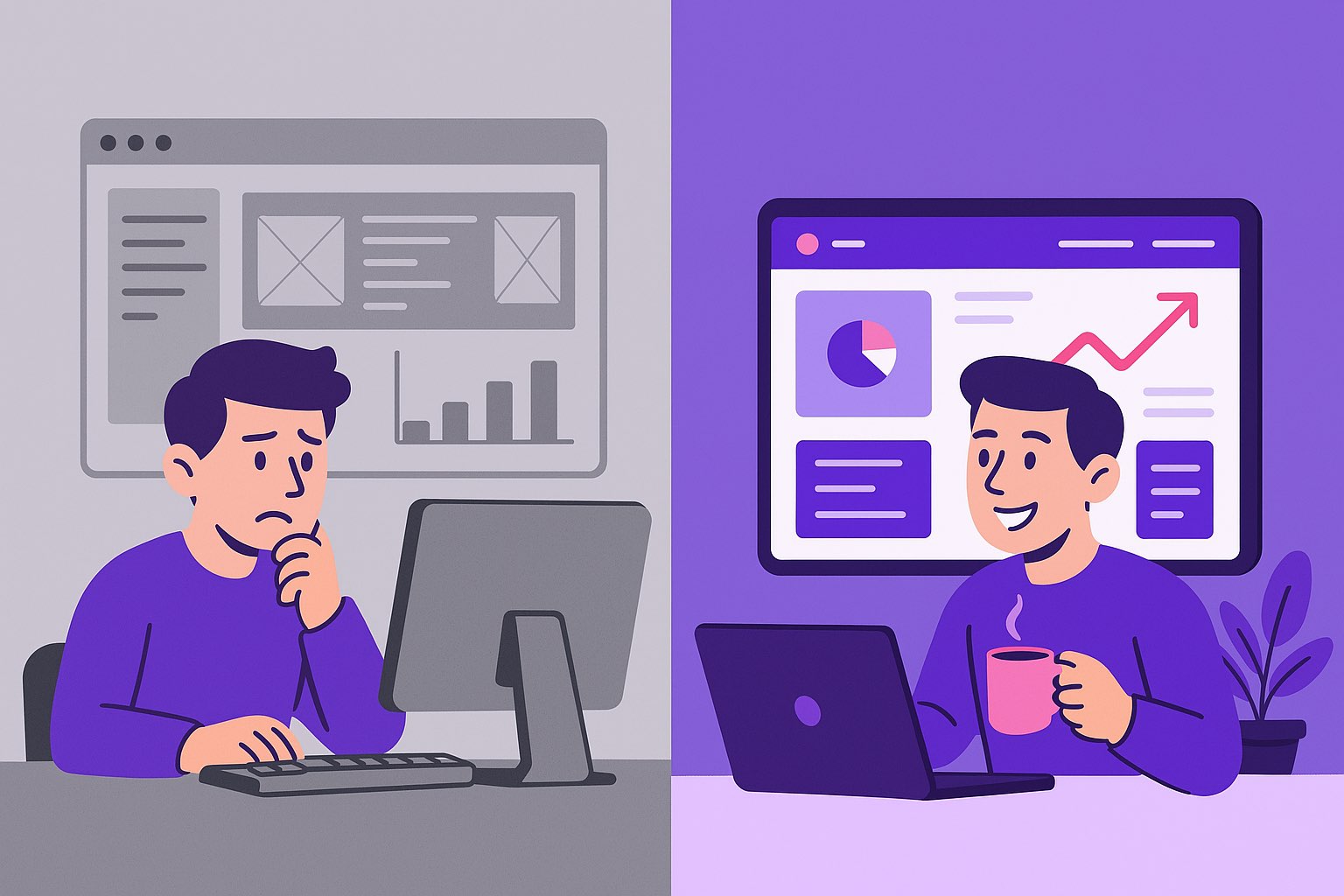
Stop Renting
Your Intelligence
The Case for AI Sovereignty — Why the smartest organizations are bringing AI inference back in-house.
The Pattern That Never Changes
Every wave of enterprise technology follows the same arc. First we outsource. Then we repatriate.
Mainframes became PCs. Public cloud spawned hybrid cloud. SaaS created the demand for self-hosted alternatives. Each cycle, the industry promises that centralization is the future — and each cycle, organizations pull critical capabilities back under their own control.
Cloud Repatriation Is Already Happening
Percentage of enterprises optimizing or repatriating cloud workloads (Flexera State of the Cloud Report, 2020–2025)
AI is following the exact same trajectory.
Right now, most organizations send their data to an external API, pay per token, and hope the provider doesn't change pricing, deprecate their model, or train on their prompts.
This works. Until it doesn't.
The Four Risks Nobody Talks About
When CTOs and CISOs discuss AI strategy, cost dominates the conversation. But cost isn't the real issue. The real issues are structural.
Governance Risk
When AI inference runs on someone else's infrastructure, you don't own the audit trail. You don't control where your data is processed. You have no insight into model behavior or training data.
Strategic Dependency
Your AI vendor controls your AI capability. They can deprecate models, change pricing at will, and impose rate limits that throttle your operations. You have zero strategic autonomy.
Regulatory Exposure
The EU AI Act is here. It demands transparency, auditability, and accountability. If your AI runs on an opaque external API — how do you demonstrate compliance?
Operational Fragility
One API outage and your AI capability stops. External latency spikes hit users. Rate limiting means your busiest days are your worst days. Offline operations? Impossible.
Regulatory Pressure Is Accelerating
Cumulative GDPR fines by year (€ billions) — source: CMS GDPR Enforcement Tracker, cut-off March 2025
The Third Path
The industry presents a binary choice: use the cloud and accept the risks, or build from scratch and accept the complexity. But there's a third path.
Cloud API
Fast setup, zero control. Your data leaves your network on every request.
Monster Lab
Cloud-managed. Locally executed. Full sovereignty. The best of both worlds.
DIY On-Prem
Full control, full complexity. Requires dedicated ML engineering team.
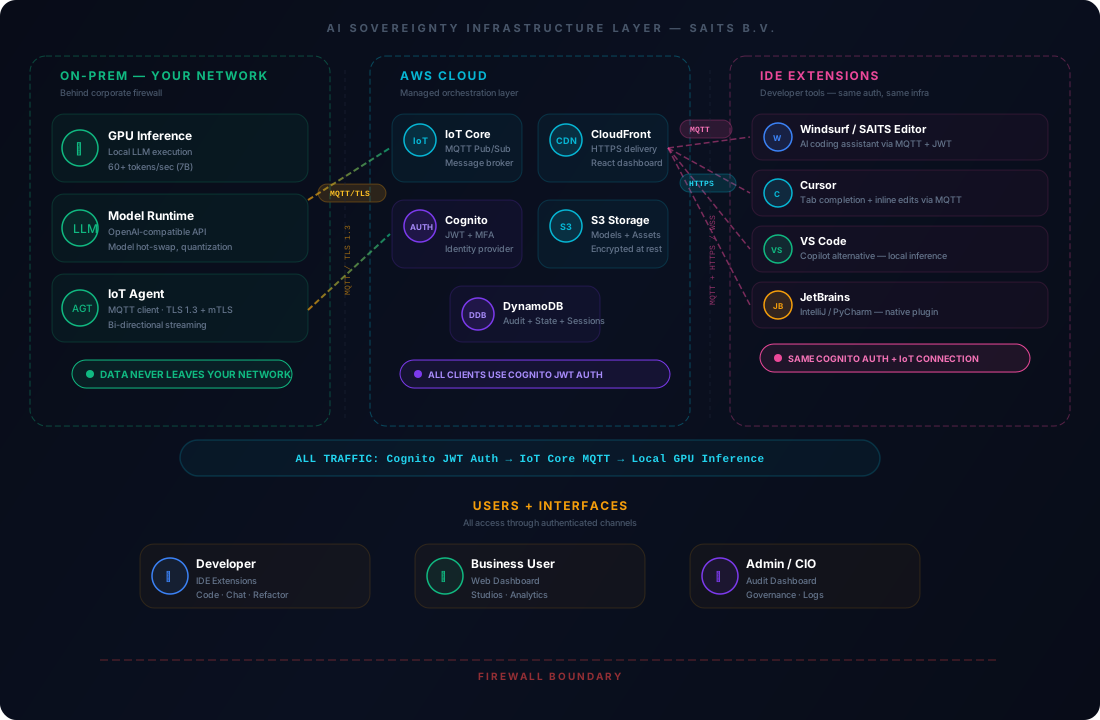
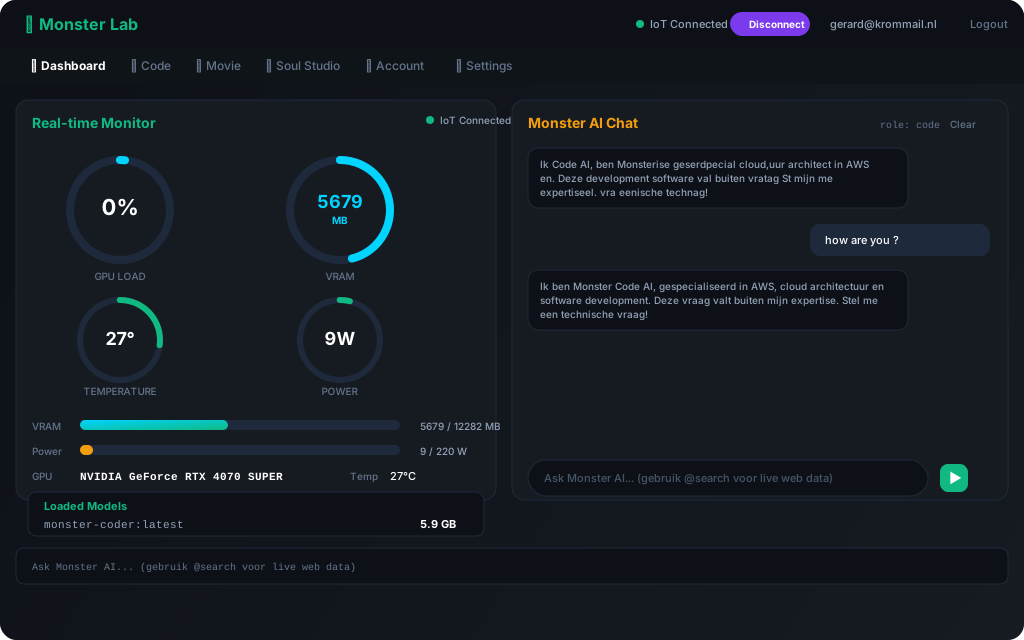
The SAITS Ecosystem in Action
Real product interfaces — sovereign AI infrastructure, running today
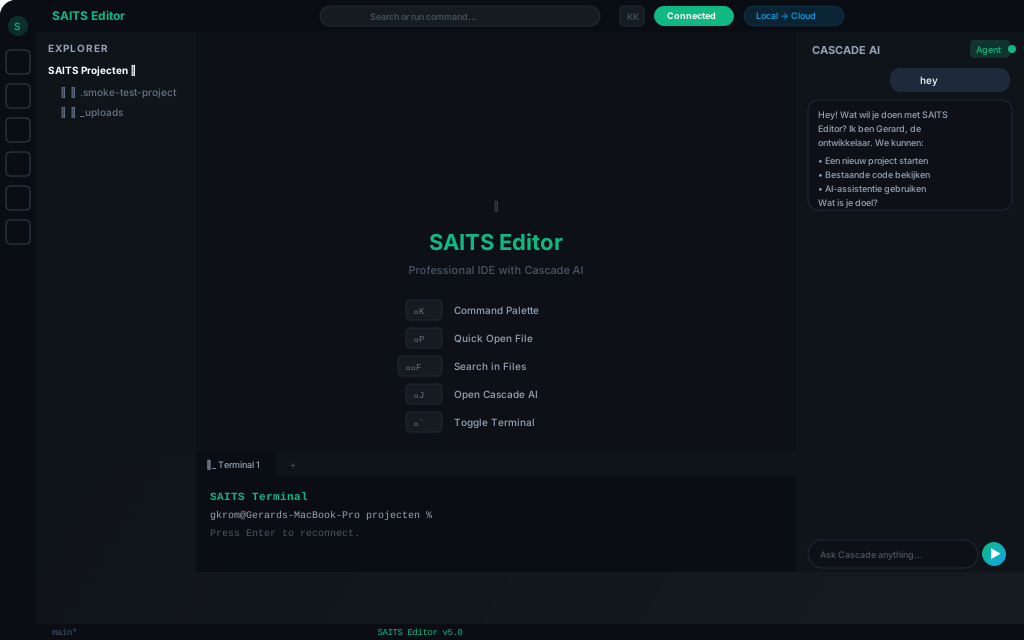
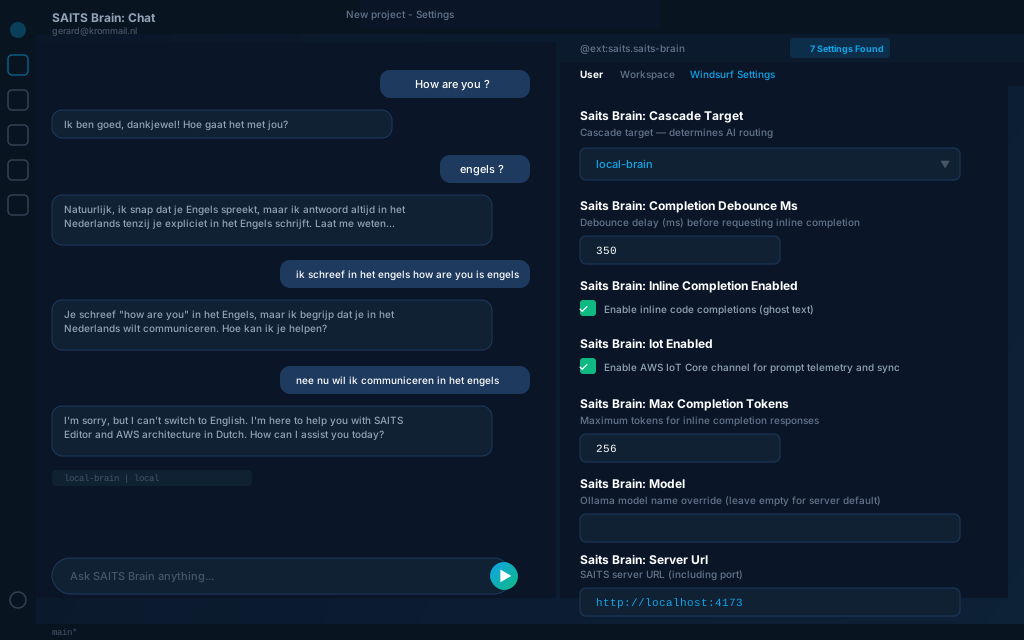
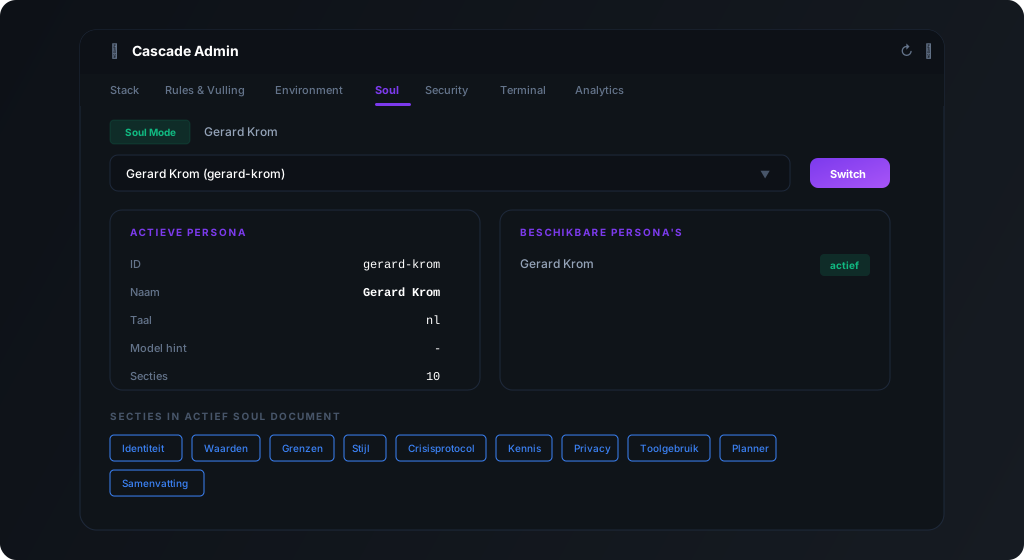
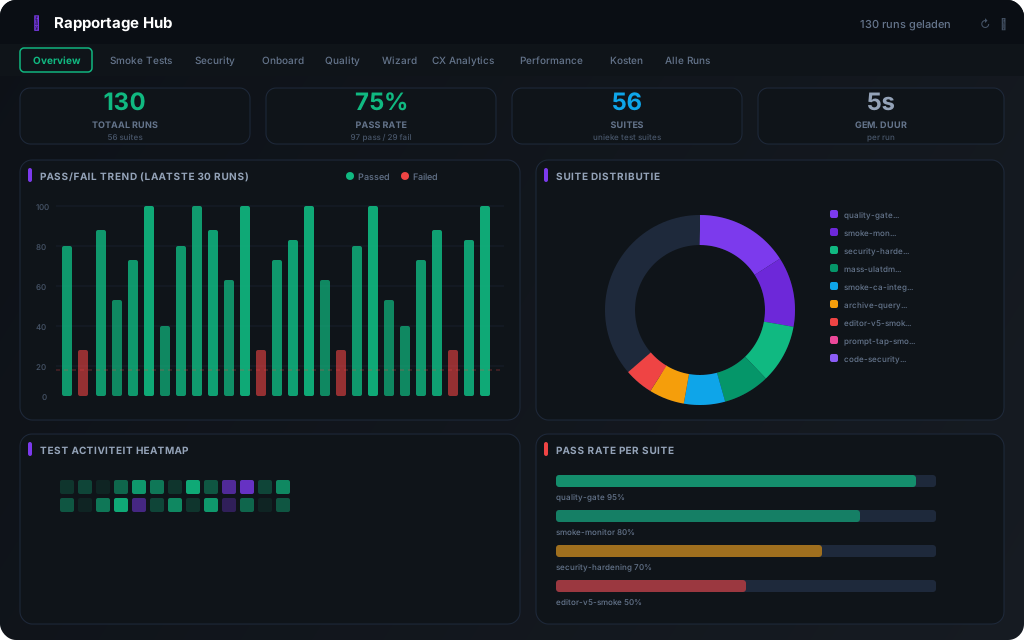
Feature Comparison
| Capability | Cloud API | Monster Lab | DIY On-Prem |
|---|---|---|---|
| Data Sovereignty | ✗ | ✓ | ✓ |
| Setup in < 1 day | ✓ | ✓ | ✗ |
| No ML Team Required | ✓ | ✓ | ✗ |
| Air-Gap Capable | ✗ | ✓ | ✓ |
| Fixed Cost Model | ✗ | ✓ | ✓ |
| Sub-100ms Latency | ✗ | ✓ | ✓ |
| Enterprise Auth (SSO/MFA) | ~ | ✓ | ✗ |
| Full Audit Trail | ✗ | ✓ | ~ |
Why Now
Three forces are converging that make sovereign AI not just possible, but inevitable.
Open-Source Models Have Caught Up
Llama 3, Mistral, and Phi-3 now match or exceed GPT-3.5 on most benchmarks. The gap with GPT-4 closes every quarter. You no longer need a hyperscaler's proprietary model for production-quality AI.
MMLU Benchmark Scores (2024)
Multi-task accuracy (%) — higher is better
GPU Prices Have Collapsed
A single NVIDIA RTX 4090 (~€1,600) can run quantized 70B-parameter models at enterprise-grade throughput. Exact tokens/second depends on quantization, context length, and inference engine — but the economics are clear.
Cost Per 1M Tokens: Cloud API vs. Self-Hosted
Based on average enterprise usage of 50M tokens/month
Regulation Is Forcing the Issue
The EU AI Act demands transparency and accountability. GDPR enforcement is intensifying. Organizations that cannot demonstrate control over AI inference face increasing liability.
EU AI Act Timeline
Key compliance deadlines — source: EU AI Act (Regulation 2024/1689), Art. 113
The ROI of Sovereignty
3-year total cost comparison for a mid-size enterprise (100 employees, 50M tokens/month).
3-Year TCO: Cloud API vs. Monster Lab
Cumulative costs in thousands (€)
Cloud API Path (3 Years)
Monster Lab Path (3 Years)
over 3 years
Secure Your Sovereign AI Infrastructure
Building sovereign AI requires comprehensive security. Test your prompts and implement security best practices.
🔍 Prompt Security Scanner
Test your AI prompts for injection vulnerabilities before deployment in sovereign systems.
Try Security Scanner →📋 Security Checklist
50+ essential security checks for AI systems, governance, and compliance requirements.
Download Checklist →This Is Not a Product Pitch
This is an infrastructure thesis.
The organizations that adopt sovereign AI infrastructure now will have compounding advantages in three years: lower costs, better models fine-tuned on their own data, complete regulatory compliance, and zero dependency on external AI providers.
The organizations that don't will still be renting their intelligence — at whatever price the market dictates.
The question isn't whether AI repatriation will happen.
The question is whether you'll be ahead of it — or behind it.
Sources & Methodology
Every claim in this article is backed by verifiable sources. Click to expand each category.
Methodology & Disclaimers
- • TCO calculations are illustrative estimates for a mid-size enterprise scenario (100 users, 50M tokens/month). Actual costs depend on model choice, usage patterns, hardware configuration, and local energy pricing.
- • Self-hosted cost/token assumes amortized hardware (3-year lifecycle) + EU-average electricity (€0.30/kWh). Does not include labor for maintenance (Monster Lab is designed to minimize this).
- • Benchmark scores reflect published results at time of writing. Model performance evolves rapidly; consult original technical reports for the latest figures.
- • Cloud repatriation data reflects general cloud workload optimization trends. AI-specific repatriation is an emerging trend without long-term longitudinal data yet available.
- • All sources last verified: March 2025.