01
AI runtime
Local Brain
The model can run locally, for example through Ollama, without hidden outbound dependencies or silent cloud fallback.
- Can operate offline
- Keeps inference close to the user
- Supports controlled project-side execution
SAITS | All-in Platform for Futureproof Technology
Decades of cloud and development experience, supercharged by AI. Structural innovation with an ironclad foundation.

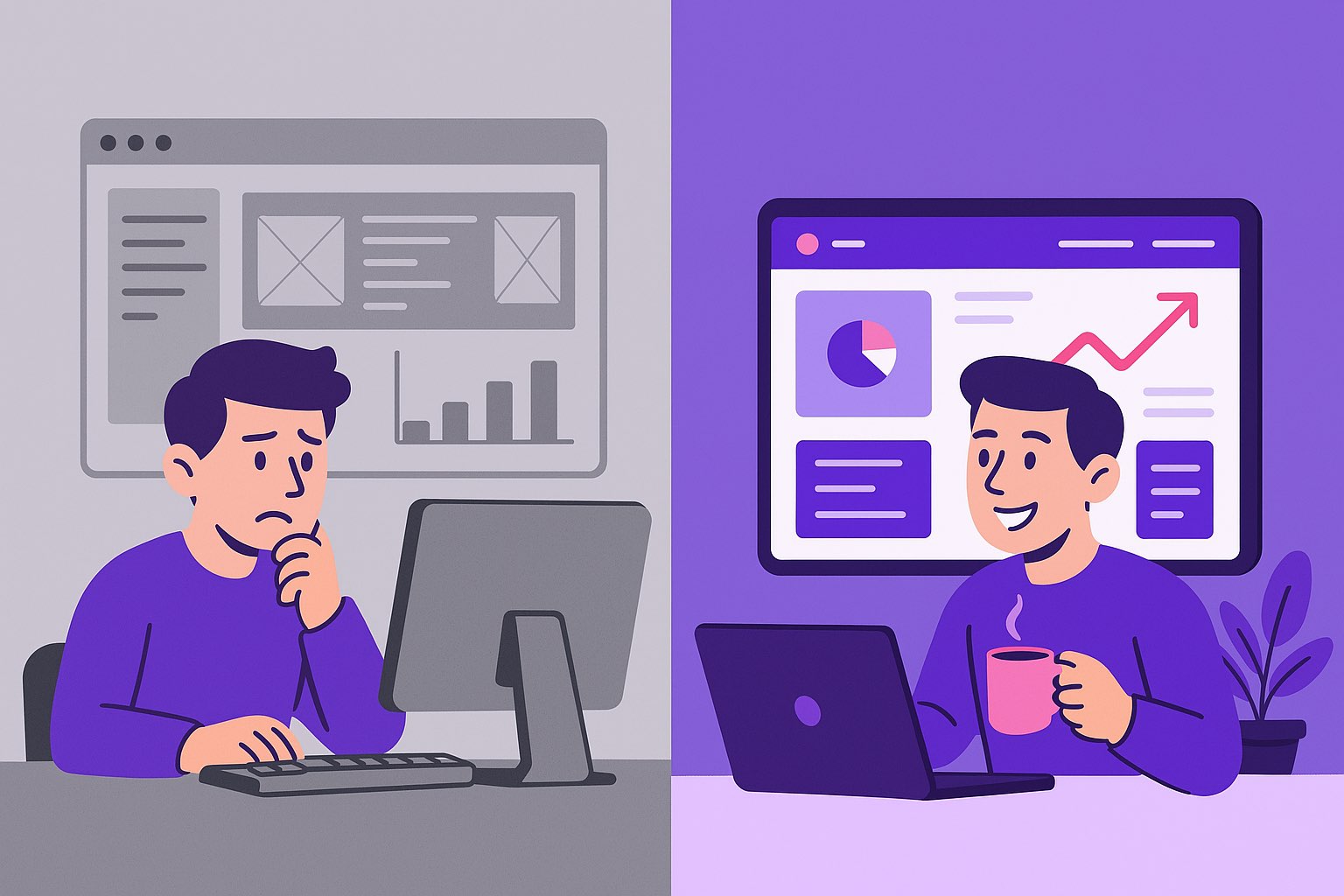
SAITS combines infrastructure, migrations, and automation in one environment. Work with fewer separate tools and gain more insight into performance, security, and management.
From website and migration to platform and automation — modular, with clear scope and deliverables.
Stay on top of everything happening in the world of AI, digital transformation and futureproof hosting.
Contact us today for a no-obligation conversation about your specific needs and goals.
Contact us today for a no-obligation conversation about your specific needs and goals.
Contact usAI becomes powerful the moment it can connect to systems. It becomes dangerous the moment it can do that without control. This is how SAITS inserts the harness first.
The request does not move directly from prompt to model to action. It passes through routing, policy, trust, and storage truth first.
No hidden internet or cloud path.
Project, soul, and private truth stay controlled.
Usage, provenance, and route state remain visible.
Inference can stay inside the user environment instead of defaulting outward.
If the route, policy, or context is unclear, the system stops instead of guessing.
AI only works with controlled storage and verified project context.
Requests, routes, usage, provenance, and outputs remain traceable.
AI is now being connected to data, APIs, systems, and automation almost everywhere. The mistake is not capability. The mistake is connecting that capability directly to execution before trust and policy are in place.
Many teams connect models directly to data, APIs, automation, and execution before they insert policy, trust, or observability.
The dangerous state is AI that can talk to the outside world, write, trigger, or act without a control layer between intent and execution.
Once AI becomes a workflow dependency, missing controls become system risk, not just model risk.
We keep the model, the control plane, and the truth layer clearly separated. That is what makes the whole system understandable, governable, and auditable.
The model can run locally, for example through Ollama, without hidden outbound dependencies or silent cloud fallback.
This is the decision layer between prompt and model. It governs routing, trust, policy, fallback, and execution boundaries.
Workspace data, private storage, and truth layers define what the system is allowed to treat as valid context.
A user request does not jump straight to a model. The route is chosen, the harness checks the path, truth constrains the context, and the final response is logged.
A request starts as user intent, not as execution. The editor becomes the controlled entry point.
The system decides whether the work stays local, whether internet is allowed, and whether the route is permitted at all.
The model runs inside the chosen runtime instead of making silent unmanaged calls outward.
Policy, trust, and routing logic validate what can be read, what can be used, and what is allowed to happen next.
Only controlled project knowledge and private storage are treated as valid working context.
Responses, usage, provenance, and route information are retained so the system can be reviewed later.
The system is built around control from the start. That means no hidden path to the outside world, no silent fallback, and no execution without bounded trust.
What makes SAITS different is not only that AI can run locally. It is that the whole operating model is designed to stay visible, bounded, and owned by the user.
SAITS starts from the assumption that AI should remain close to the environment it serves.
Controlled truth layers reduce the gap between generated output and actual project reality.
Work can be traced, reviewed, and completed inside a real operating chain instead of scattered chat history.
The system does not quietly switch to unmanaged cloud behavior behind the operator’s back.
We believe the next generation of AI systems will not be defined by raw capability alone. They will be defined by how well they keep data close, actions bounded, and operational truth visible.